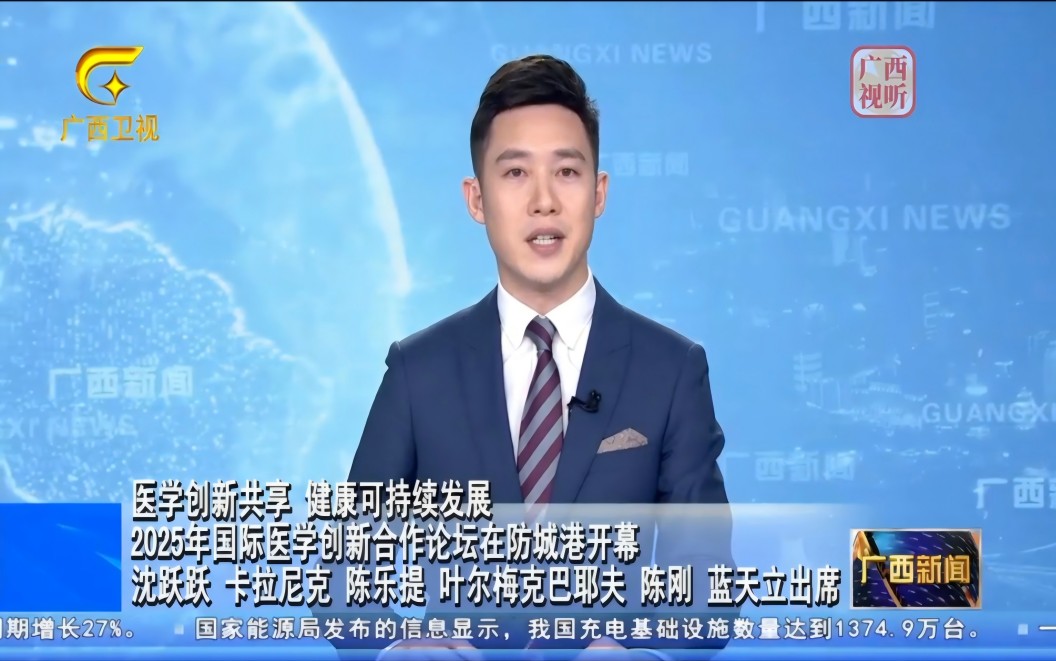
The Hanoi Exhibition Center for China-Vietnam AI Cooperation Officially Unveiled, Shanghai Nahefa Health Drives Industrial Upgrade in Medical AI

On the afternoon of November 26, 2025, the "China-Vietnam Artificial Intelligence Application Cooperation Center Hanoi Exhibition Center" (hereinafter referred to as the "Center") was officially unveiled and commenced operations, marking a strategic new phase in deepening AI cooperation between China and Vietnam.
Wei Tao, Deputy Secretary of the CPC Guangxi Zhuang Autonomous Region Committee and Chairman of the Autonomous Region People’s Government, and Trương Việt Dũng, Vice Chairman of the Hanoi People’s Committee, jointly unveiled the Center. Representatives from the Chinese Embassy in Vietnam, departments across the autonomous region, Vietnam’s Ministry of Foreign Affairs, multiple provinces and cities, and enterprises attended the ceremony.
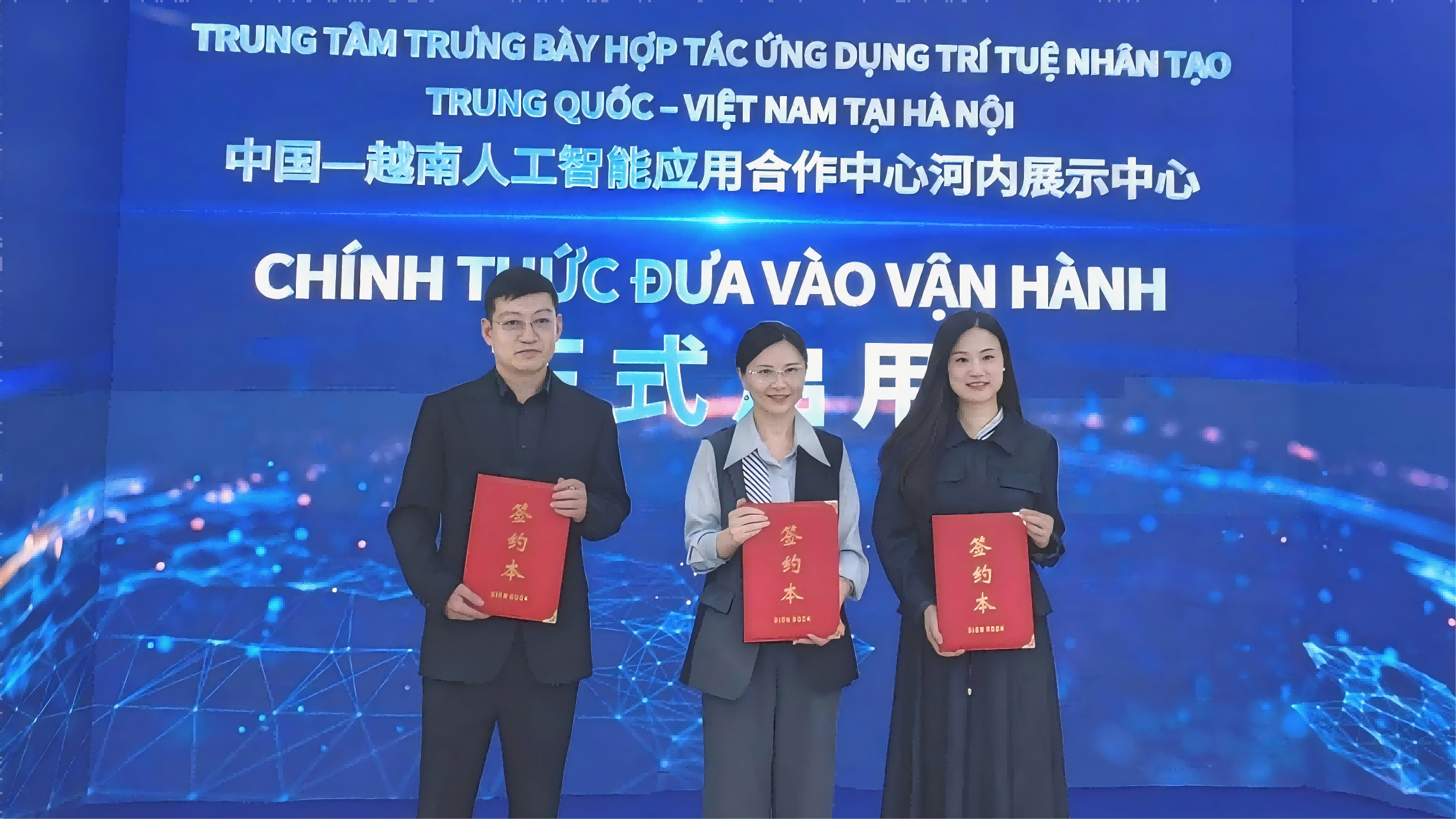
During the event, Shanghai Nahefa Health, as one of the Chinese enterprise representatives, signed a strategic cooperation agreement on AI between Chinese and Vietnamese governments and enterprises. The agreement outlines long-term technical collaboration and resource integration in areas such as medical AI, intelligent traditional Chinese medicine (TCM), data application, and data asset operations. By leveraging core strengths in market resources, technological expertise, and product service capabilities, the partnership aims to provide robust support for scalable and sustainable AI industry development, fostering bidirectional empowerment of commercial innovation and social progress.
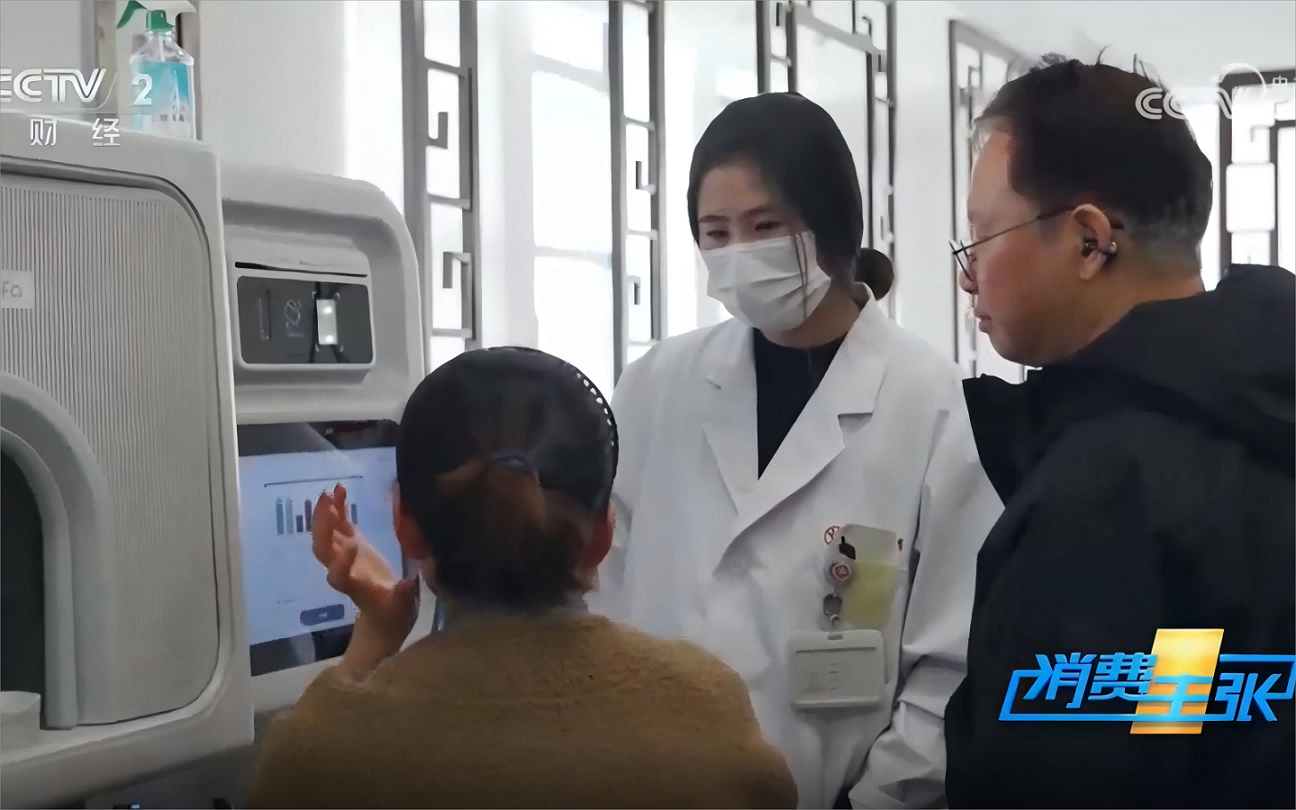
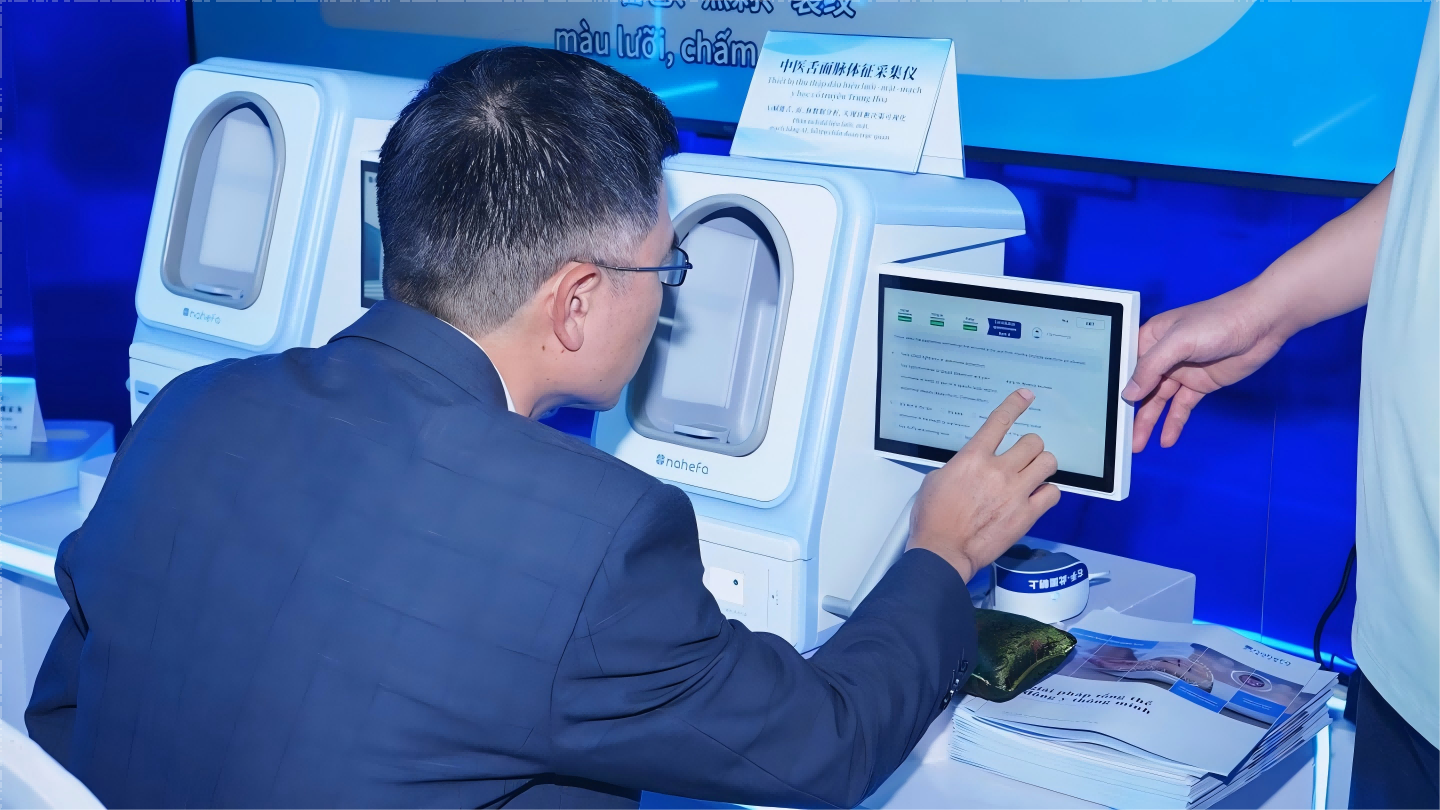
As a key anchor enterprise at the Center, Shanghai Nahefa Health showcased its independently developed "TCM AI Diagnosis and Treatment Ecosystem." This integrated hardware-software solution combines five core modules: intelligent inquiry, data collection from intelligent TCM detection devices, smart clinical decision support, AI-powered research enablement, and personalized smart health management. During live demonstrations, domestic and international guests experienced AI-driven tongue-face-pulse diagnosis, with precision treatments tailored to individual needs ("one-person-one-formula") powered by The"Grand Master'Medical Multimodal Vertical Large Model.This vividly demonstrated the innovative fusion of TCM theory with modern information technology, becoming the highlight of the event.
Additionally, the Hanoi People’s Committee and the Guangxi Zhuang Autonomous Region People’s Government simultaneously signed a Memorandum of Understanding on Digital Cooperation for the China-Vietnam Friendship Smart Port. The MOU specifies five key collaboration areas, including strengthening AI development foundations, enhancing industrial cooperation ties, and promoting talent training, to advance big data development, digital transformation, and innovation initiatives.
Regarded as a hub for China-Vietnam AI cooperation, the Center focuses on three functions: technology exhibition, scientific research training, and technology trade between the two nations, supporting Hanoi’s efforts to build a digital government, digital economy, and smart city.
With the launch of the Hanoi Exhibition Center, the two countries are poised to explore new pathways for AI-driven high-quality economic development under the framework of the Digital Silk Road. For Shanghai Nahefa Health, deepening cooperation through the Belt and Road Initiative and Digital Silk Road represents not only an opportunity for technological empowerment but also a testing ground for cultural and industrial collaboration between China and Vietnam. Leveraging intelligent TCM as an entry point, the company aims to facilitate the digital transformation of Vietnam’s traditional medicine sector, setting a benchmark for regional cooperation.